
Using LCAs and EPDs for Procurement of Construction Material

Tashit Talwar
- Published on October 24, 2025
When procurement professionals in the construction sector select materials, their choices are shaped by several immediate considerations. Price is always a primary factor, but other aspects such as material availability, delivery timelines, the distance between the manufacturing unit and project site, and even the aesthetics of the product play a role.
While parameters like price, availability, delivery timelines, project site, etc., remain essential, they do not capture the full environmental consequences of the material choices. LCA data helps bridge this gap by translating environmental impacts into clear, measurable numbers that can be assessed alongside cost and performance (Butt et al., 2015). For procurement teams, this means going beyond the conventional criteria and integrating environmental data into their decision-making processes. To do this effectively, they need to know which documents to use and how to apply them.
Should a Procurement Person Ask for an LCA or an EPD?
In practice, both LCAs and Environmental Product Declarations (EPDs) can support procurement decisions. Buyers should request for an EPD as their first preference as they are publicly available. EPDs are also third party verified, ensuring transparency and reliability. On portals like the EPD Library of the International EPD System, EPDs can be easily accessed and explored. Accessing these libraires allows buyers to find published declarations for a wide range of construction materials such as cement, steel, and others. Enabling easier benchmarking and comparison across suppliers without repeatedly requesting data.
However, obtaining an EPD involves significant costs for the manufacturers, and not all products in the Indian market have one. In such cases, one can always use LCA as an alternative, especially for new or niche products. However, when doing so, it’s important to check the quality and reliability of the data carefully. To ensure, that the results are credible and comparable across products (Olanrewaju et al., 2025).
How to Ensure Credibility of an LCA
To make sure the LCA/EPD data used in procurement is trustworthy and comparable, buyers can follow a simple checklist:
- Check standards compliance: Ensure the LCA/EPD follows EN 15804:A2 protocols for construction products (CEN, 2019)
- Confirm validity period: The publication date of the LCA/EPD should be within the last five years.
- Review product and location details: The EPD should clearly mention the product specifications and manufacturing site. Additionally, the users should further check if the product specifications are matching their requirements.
- Check the Functional Unit: When using LCA/EPD data, note the functional (or declared) unit on which the environmental impacts are based (e.g., per kg, per ton, per m²). This ensures fair and accurate comparisons between products. For example, cement EPDs often use per ton, while plywood EPDs may use per kg or per m³.
- Assess emission factors: Source relevant Global Warming Potential (GWP) values, typically GWP-Total and/or GWP-GHG for the A1–A3 stages from the LCA/EPD and use these values in the material comparison to enable accurate carbon footprint assessments.
Using LCA Data to Compare Materials
LCA data enables buyers to compare materials on both cost and environmental performance. By requesting LCA/EPDs, buyers can access verified emission factors such as Global Warming Potential (GWP). Specifically, they should focus on A1–A3 data modules, which represent cradle-to-gate data, which is entirely in the purview of the manufacturers. This covers raw material supply, transport, and manufacturing stages. The relevant indicators are GWP-Total and/or GWP-GHG, which quantify production-related carbon emissions.
Figure 1 illustrates one example of how LCA data can be used to inform material selection. The Y-axis represents GWP-Total (A1–A3), while the X-axis shows cost per piece. Ideally, materials that fall in the low-cost and low-carbon quadrant are preferred. For instance, flyash bricks have lower emissions than AAC blocks. However, in some cases, such as the straw-based flyash blocks, low-carbon materials may have a higher cost. In such situations, procurement teams can build a case for carbon abatement benefits or green premiums to justify their selection.
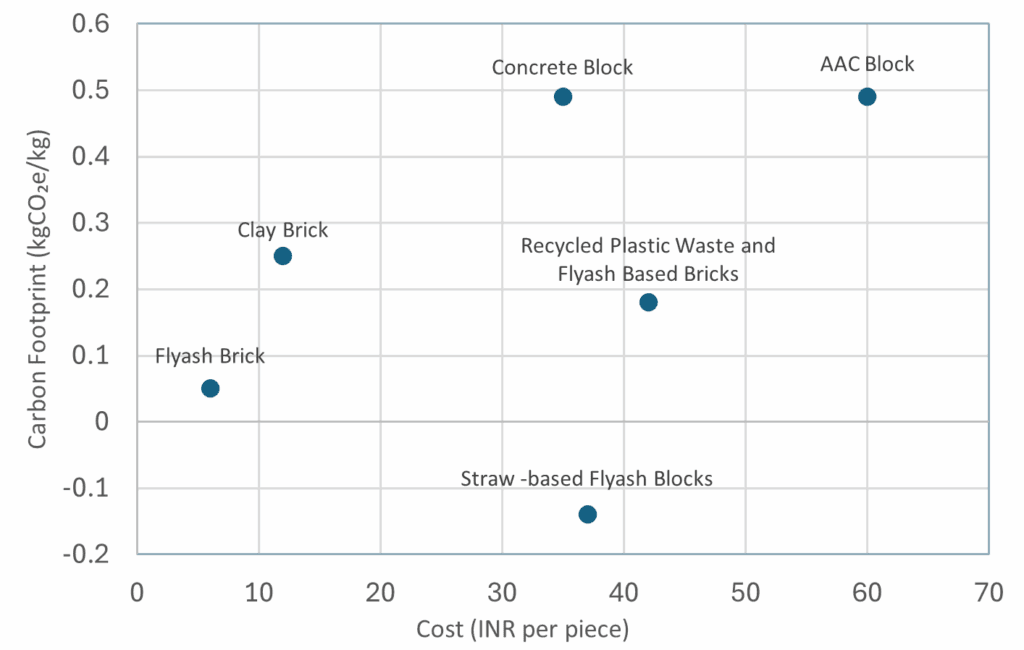
Figure 1- Evaluating Construction Blocks
Conclusion
Procurement choices in construction affect both project costs and environmental impact. By asking suppliers for EPDs and using LCA data alongside price and availability, buyers can make fair and informed decisions. International standards like ISO 14040/14044 and EN 15804 ensure that this data is reliable and comparable across suppliers. In this way, procurement moves beyond cost-cutting to become a driver of sustainability and long-term resilience.
Resources
Butt, A. A., Toller, S., & Birgisson, B. (2015). Life cycle assessment for the green procurement of roads: a way forward. Journal of Cleaner Production, 90, 163–170. https://doi.org/https://doi.org/10.1016/j.jclepro.2014.11.068
CEN. (2019, October 30). Sustainability of construction works – Environmental product declarations – Core rules for the product category of construction products. https://standards.cencenelec.eu/dyn/www/f?p=CEN:110:0::::FSP_PROJECT,FSP_ORG_ID:70014,481830&cs=1B6FE860255B200E33E1E2E4B4A540088
Olanrewaju, O. I., Enegbuma, W. I., & Donn, M. (2025). Environmental product declaration development and utilisation for whole building life cycle Assessment: Challenges and data quality assurance indicators. Journal of Cleaner Production, 521, 146170. https://doi.org/https://doi.org/10.1016/j.jclepro.2025.146170